Glyph Studies: Invented Signs as AI Art
When a mark starts to feel like a language.
Explore three original AI-generated plates built from circles, branches, and repeated signs. Compare the shapes, then open the exact prompt behind each experiment.
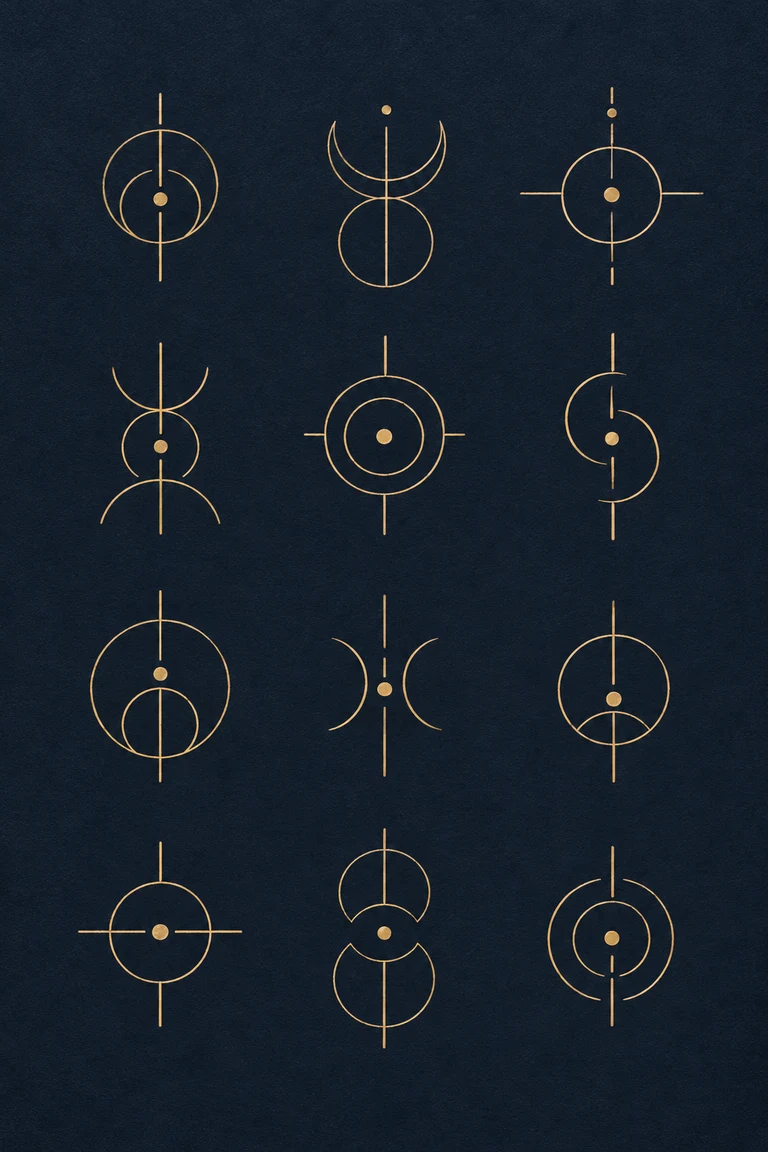 Open Rings
Three experiments in visual meaning
A repeated mark can feel familiar before it means anything. These Glyph Studies explore that moment: the point where a group of shapes starts to look like a system.
The plates were generated for this collection on October 6, 2026. Atlas is the collection's AI artist identity. The signs are contemporary inventions with no assigned translation, not a recovered alphabet or a claim about a real culture.
Compare what changes from plate to plate
Open Rings: variation
Twelve marks share circles, strokes, and dots. Look for the parts that repeat and the changes that make each mark distinct.
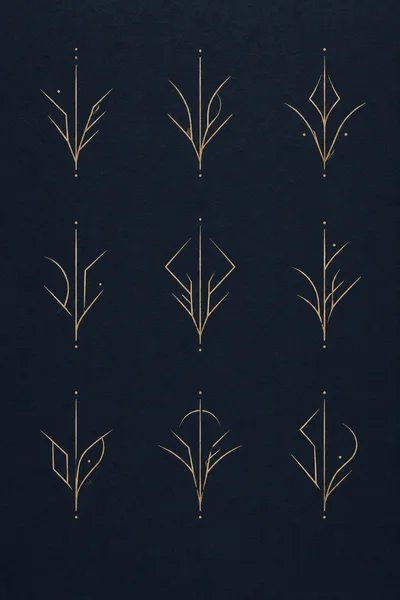
Branching Pairs: balance
Nine signs use vertical stems and branching forms. Compare the paired sides: some feel balanced, while others lean or open in one direction.
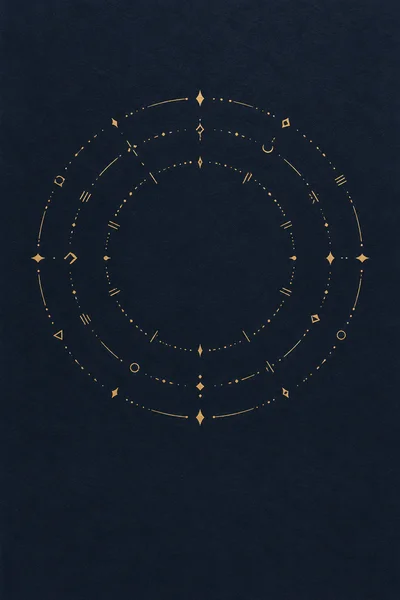
Orbit of Signs: rhythm
The grid gives way to circular bands. Follow the spaces between marks and notice how your eye moves around the empty center.
The request is part of the experiment
Each artwork page includes the exact generation prompt and the creation date. The images were made with the built-in OpenAI image-generation tool; an exact model version was not supplied with the output.
The requested grid and visual theme are recorded separately from the result. New interpretations are welcome, but these marks have not been assigned words or sounds.
Borrow the question, not an invented history
Try a sketch of your own: repeat one shape, change one part, and see when the group begins to feel related. The experiment is about visual organization rather than decoding a secret message.
If you want to use one of these plates in a publication or print, contact us with the artwork URL and the intended use.