Botanical Art Library
Look closer at an AI botanical plate.
Compare the whole plant with the details around it. Learn what the picture shows, what its labels claim, and how to use it as a creative reference.
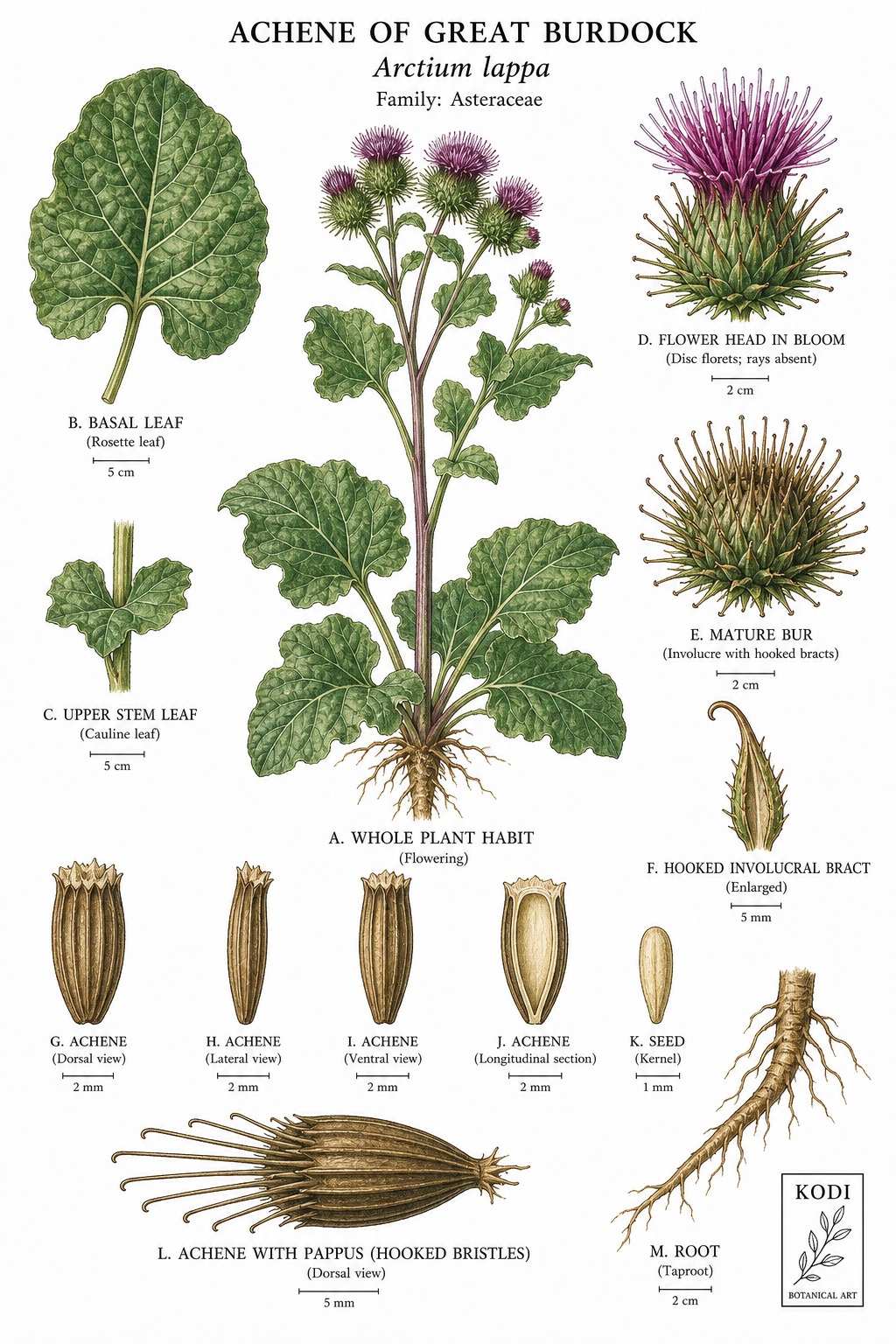 Achene of Great Burdock
A beautiful plate is a starting point
A botanical plate gives your eye more than one view of a subject. The main image draws you in; the smaller details invite you to compare.
Kodi's plates borrow that visual approach. These are AI-assisted illustrations, not a set of expert-verified plant identification records. A precise-looking label or a clean cross-section can still be wrong.
Read a plate in three passes
Take in the whole image
Notice the overall shape, color, and arrangement. This is where a plate can give you an idea for a composition or a visual theme.
Compare the insets
Look at the enlarged seeds, leaves, or sections beside the main subject. Do they appear to belong to the same subject? A mismatch is a reason to investigate, not something the polished style resolves.
Open the creation record
Read the credited artist, recorded tool, and saved prompt summary. Words such as scientific accuracy describe the requested result; they are not a review certificate.
Three plates to look through
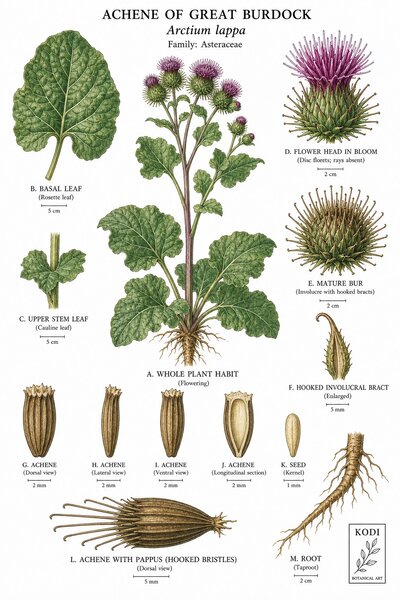
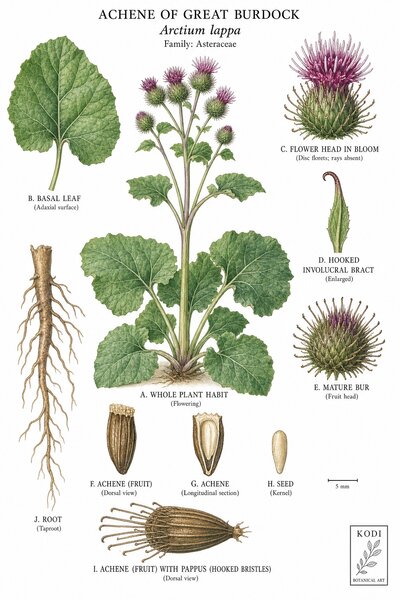
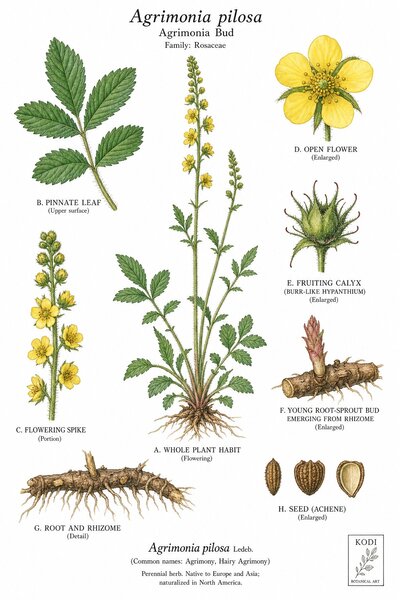
Open these examples at full size and compare the picture with its saved description. They belong to the existing Kodi collection.
Use the artwork for the right job
For a mood board or a composition study, the plate can help you think about spacing, color, and detail. Those are visual choices you can judge from the image.
For plant identification or a claim about a plant's effects, use a qualified botanical or clinical source. Do not use an AI illustration to decide whether something is safe to eat or take.
For publishing or printing, inspect the actual file at the size you need and confirm permission for your intended use. A use-case tag describes a possible fit; it is not a license grant.